Choose comfortable ground
A picturesque view cannot salvage an outing when a stiff gale flips paper plates into bushes or direct ultraviolet radiation gives your group mild sunstroke within forty minutes. Choosing a picnic site requires the same eye an experienced camper uses when staking a tent: assessing slope, drainage, tree cover, and footpaths.
1. The Geometry of Canopy Shade
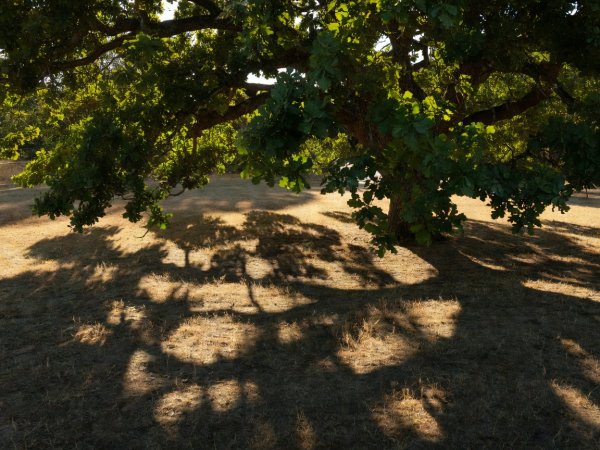
Direct noon sunlight is the enemy of cheese, butter, and personal comfort. When scanning a park or common land, look for solitary broadleaf trees such as mature oaks, horse chestnuts, or sycamores rather than sparse birch saplings.
Remember that the sun moves approximately 15 degrees per hour. If you lay your blanket right on the western edge of the shade ring at 12:30, by 13:15 you will be fully exposed. Always set up two to three metres deeper into the southern or eastern shade pocket to guarantee prolonged cover without moving your gear repeatedly.
2. Finding the Microclimate Windbreak
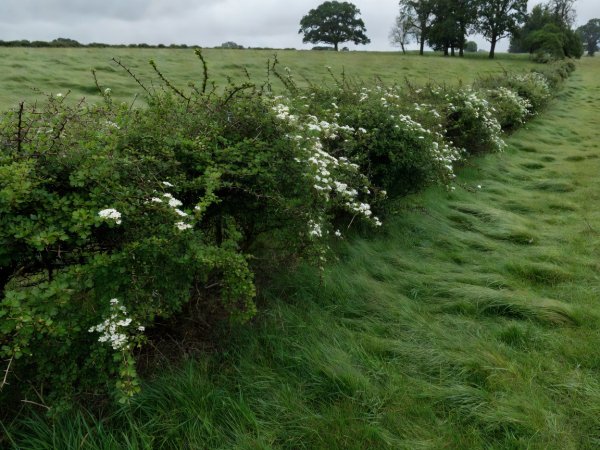
Even on days with mild forecast breezes of 12 mph, sitting stationary on the ground for two hours causes rapid body cooling. High knolls and scenic bluff overlooks concentrate wind velocity.
Seek out low natural contour dips, the lee side of old drystone walls, or dense hawthorn hedgerows. A solid barrier that cuts the direct breeze by half transforms an endurance test into an afternoon where you can read or converse in relaxed warmth.
Ground Evaluation Matrix
A quick breakdown of terrain types across municipal gardens, common meadows, and coastal reserves.
| Terrain Type | Primary Advantage | Hidden Complication | Essential Remedy |
|---|---|---|---|
| Clover & Meadow Grass | Soft, deep cushioning for seating | High bee activity and hidden dew accumulation | Heavy woven wool blanket over polyurethane sheet |
| Riverbank Turf | Cool microclimate, gentle background sound | High insect density near reeds; damp subsoil | Stay 6–8 paces back from reeds; citrus insect balm |
| Ancient Woodland Edge | Consistent shelter from wind and direct sunlight | Exposed tree roots make sitting uneven; falling debris | Pack thick foam sitting mats; check overhead deadwood |
| Coastal Headland | Sweeping views, cooler ocean breezes | Unforgiving gale currents; sandy grit blown into containers | Seek hollows behind gorse shrubs; use lidded tin boxes |
Municipal Infrastructure Matters
Experienced outdoorspeople balance scenic isolation with fundamental practicalities. Before deciding on an afternoon site with friends or family, consider three logistical variables:
- Walking distance from drop-off: Carrying a 12 kg load more than 600 metres ceases to feel like recreation. Look for paths with gentle grades.
- Rubbish disposal: If public bins are absent, you must carry every scrap of greasy paper and rinds home. Plan sealable sacks.
- Potable taps & rest facilities: While wild woodlands have charm, the presence of clean water taps within a ten-minute stroll simplifies hand washing and dog bowls immeasurably.